 English
 中文
中文


Several elements for achieving comprehensive cleanliness control in hydraulic systems
Click:
Time:2022-08-26 00:00:00
There is a viewpoint that as long as a filter is installed in the hydraulic circuit, it is the control of hydraulic system pollution. This viewpoint is relatively one-sided, as the filter is only one link in the process of system pollution control, and relying solely on the filter to control system pollution is not enough. In order to effectively control the pollution problem of hydraulic systems, comprehensive control should be carried out from the production of individual parts to the start of system operation and future use, in order to reduce the incidence and impact of pollutants. Based on the actual production and application of construction machinery, the following aspects of work should be done well:
- Make relevant technical personnel, management personnel, and operators fully aware of the importance of comprehensive cleanliness control;
- Identify the sources of pollution in the system and control them;
- Strengthen the pollution control of particles in key locations;
- Develop cleanliness standards suitable for different systems;
- Fully utilize online detection of oil cleanliness.
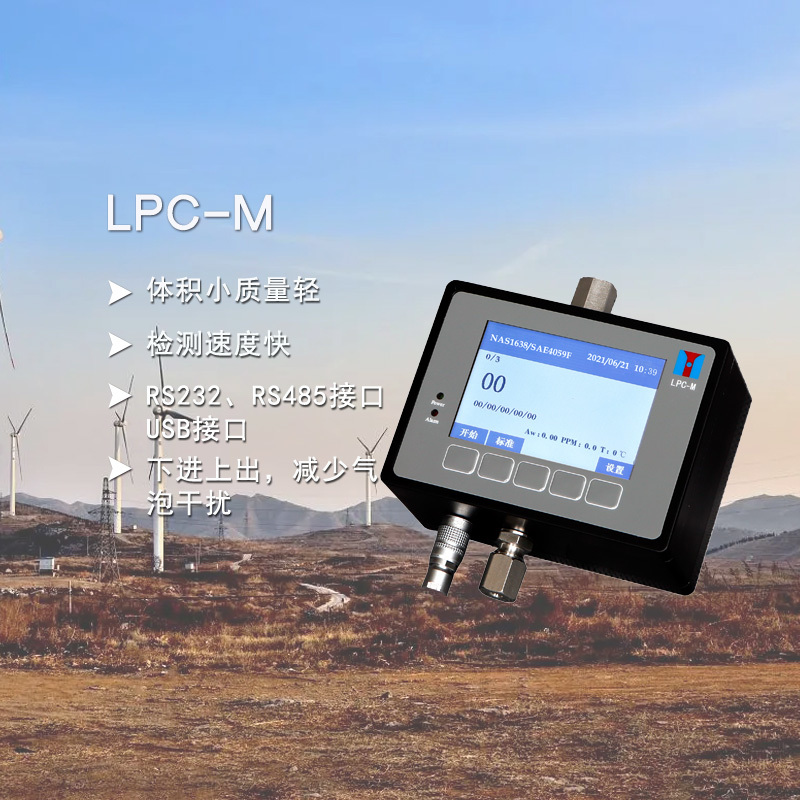
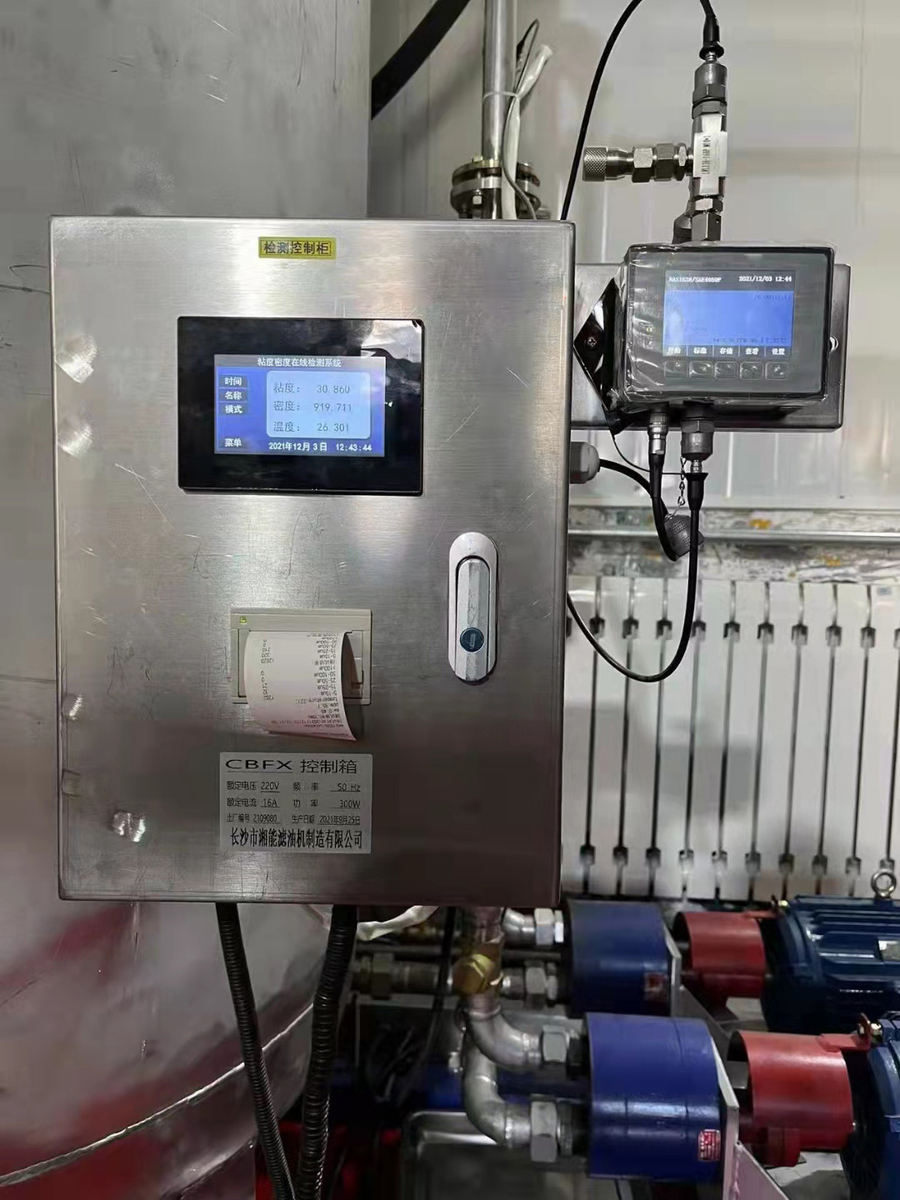
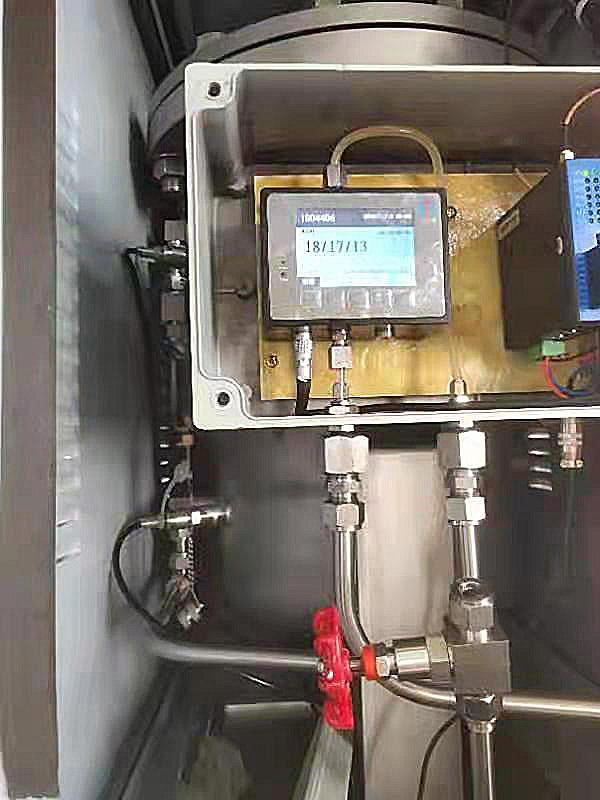
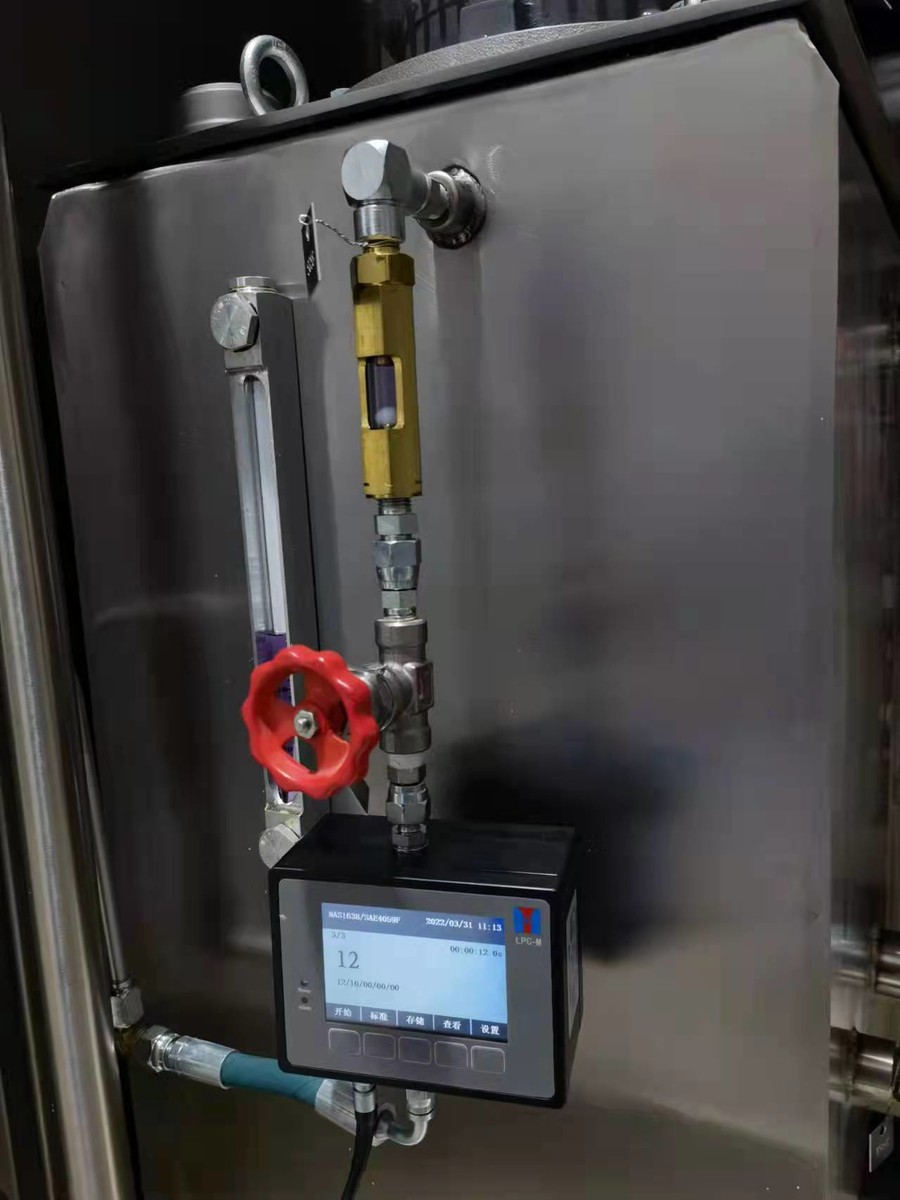
LPC-M is a specialized oil pollution level detection device used for on-site online measurement. It has the advantages of small size, light weight, fast detection speed, and low price, and can work under harsh conditions such as high temperature and high pressure. However, if you want to obtain a good test result, you should pay attention to the following points when installing and using the instrument:
LPC-M pipeline installation design scheme
INSTALL
Install the instrument through bypass sampling and install a flow control device to control the flow rate through the sensor. Due to the possibility of air bubbles generated by the flow control device, which may affect the measurement results of the particle counter, it is necessary to install the flow control device other than the pressure reducing valve after the particle counter.
There is no pressure difference between the inlet and outlet branches
- When there is no pressure difference between the inlet and outlet branches, it is possible to consider using metering pumps or gear pumps to transport the oil;
- When the pipeline pressure is greater than 100 bar, in order to avoid damage to the sensor, a pressure reducing valve needs to be selected for pipeline pressure reduction, and then the oil can be sent back to the high-pressure pipeline using a high-pressure pump (environments with no pressure difference between inlet and outlet and high-pressure pipelines are generally not recommended).
There is a pressure difference between the inlet and outlet branches
- When there is a pressure difference in the inlet and outlet branches, the oil outlet end usually goes directly to the oil tank or low-pressure return pipeline after passing through the online monitoring system;
- Select a pressure reducing valve according to the pressure of the pipeline. When the pipeline pressure is greater than 100 bar, a sensor pre pressure reducing valve is still required.
Principles for selecting pipeline testing points
CHOOSE
- To determine the degree of wear of the machine by detecting the content of impurity particles in each cycle, it is recommended to install the sampling point in front of the filter;
- If you want to check whether the filter performance has failed or if the filter accuracy does not affect the test results, it is recommended to install the sampling point after the filter.
Wherever oil is used to transmit power, lubricate, or cool, the requirements for high performance, high reliability, and high productivity can only be achieved by removing pollutants that endanger the working clearance from the oil. Setting oil cleanliness standards is a key requirement for achieving work standards in parts production, components, parts, and final equipment or systems.
Follow us

Early knowledge of information
Prev : The Importance of Particle Counter in Oil MonitoringNext : Honghe Portable Wind resistant Moving Forward, "Sensitive" More Intelligent
文章推荐
友情链接:
Tianjin Honghe Technology Co., Ltd
E-mail:sales01@tjhonghe.com
I would like to call the information hotline:
Tel 022-58956940
Add: 5F, Block C-D, Building 3, No.13 Ziyuan Road, Huayuan Industrial Park, Tianjin
Scan QR code Follow us:

Copyright ©2022 Tianjin Honghe Technology Co., LTD.All Rights Reserved ICP record No. 19008642 -1
\©2022 Tianjin Honghe Technology Co., LTD. All Rights reserved
ICP备案号津ICP备19008642号-1
 客服1
客服1

