 English
 中文
中文


Discuss the commonly used technical methods for oil monitoring technology
Click:
Time:2021-08-06 00:00:00
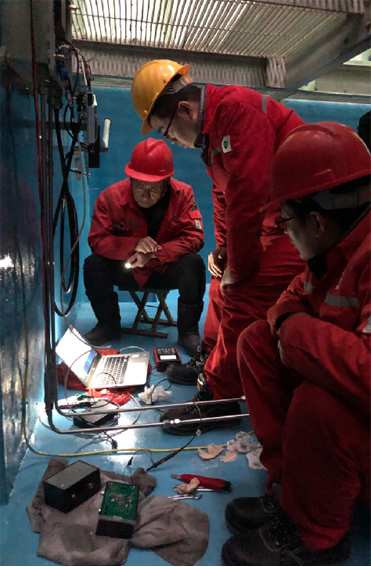
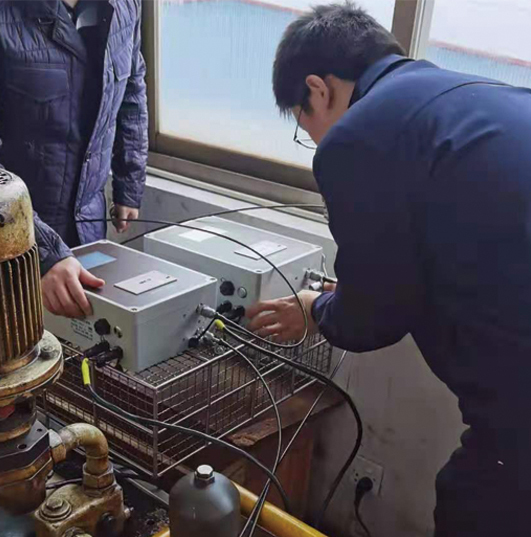
Honghe Oil Particle Counter
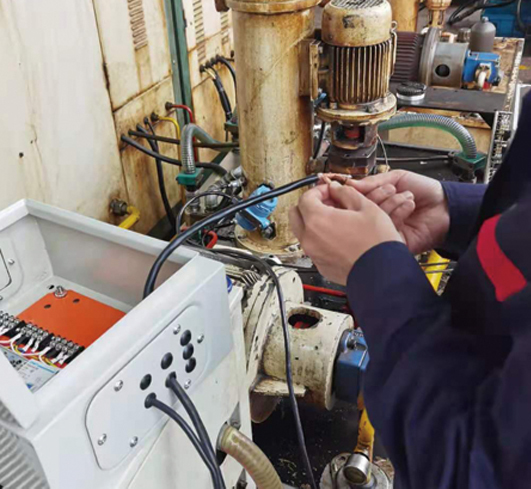
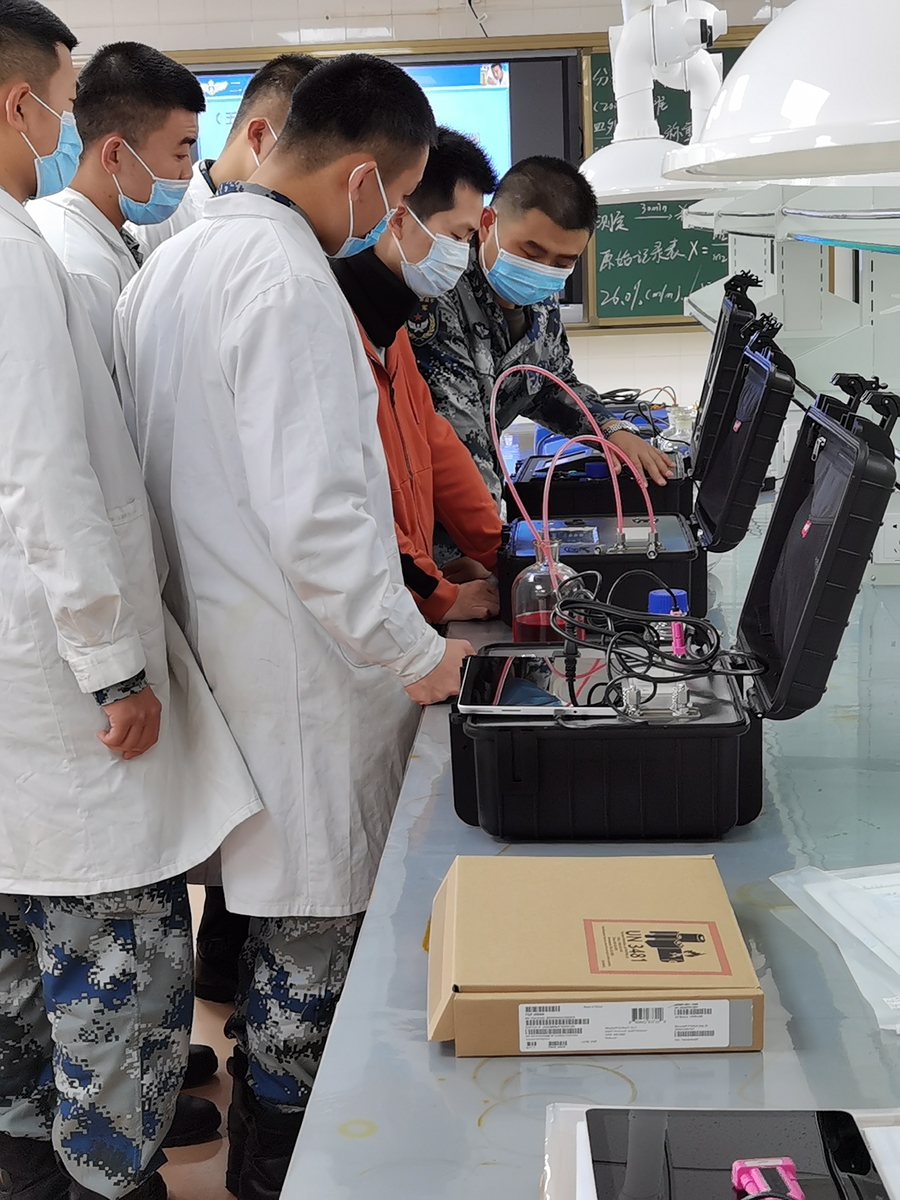
Oil monitoring technology is an important means of diagnosing faults in the lubrication system of mechanical equipment. By analyzing and characterizing the physical and chemical performance indicators of the oil used in mechanical equipment, as well as the pollutants such as wear particles in the oil, information on the lubrication and wear of the friction pair in mechanical equipment can be obtained. This enables diagnosis of faults in mechanical equipment, identification of the location of the fault, determination of the type and cause of the fault, and guidance for timely handling of existing faults to reduce unnecessary losses.
Regarding the content of oil monitoring, oil monitoring technology mainly uses the following analysis methods to analyze in use oil products and abrasive particles:
Physical and chemical performance analysis
The conventional physicochemical properties of lubricating oil usually include viscosity, moisture content, flash point, acidity, and mechanical impurities. The analysis of the physicochemical properties of lubricating oil in the process of oil monitoring refers to the use of physical and chemical methods to analyze and determine the various properties mentioned above. The physical and chemical performance analysis of lubricating oil is the simplest and most direct method for monitoring mechanical equipment wear and oil contamination.
Particle counting
Particle counting is an important technique for assessing the degree of contamination of oil by solid particles. By measuring the particle size of the oil sample and counting it according to a pre selected particle size range, important information about the particle size distribution can be obtained. At present, the main methods of particle counting technology include filtration weighing and automatic particle counting. By using particle counting technology, the degree of oil contamination is evaluated by analyzing the in use oil at different stages and comparing it with the standard; In addition, the growth rate of abrasive particles in the oil can also be determined through analysis, thereby making judgments on the wear rate of the machine.
Infrared spectroscopy analyzer
Infrared spectroscopy is a spectrum formed by the vibration rotation energy level transition of molecules, and its wavelength usually appears in the infrared range. By analyzing the infrared spectrum of in use oil, it is possible to characterize the oxidation, nitrification, sulfurization, anti-wear agent loss, fuel dilution, moisture and carbon pollution of lubricating oil. Infrared spectroscopy analysis has the advantages of fast speed, high accuracy, good repeatability, and low sample size, making it suitable for monitoring large-scale equipment groups containing multiple material friction pairs (such as diesel engines).
Iron spectrum analysis
Iron spectrum analysis technology uses a high gradient strong magnetic field to orderly separate the wear particles contained in the lubricating oil of mechanical equipment according to their particle size, identify various characteristic wear particles generated by mechanical friction pairs in different wear states, and qualitatively and quantitatively detect the morphology, size, composition, concentration, and particle size distribution of the wear particles, thereby intuitively obtaining important information on the wear of the surface of the mechanical friction pair and achieving the purpose of diagnosing the operating status of equipment components. Iron spectrum analysis is fast, expresses a large amount of information, and can provide accurate oil information.
Atomic spectrum analysis
Due to the friction and wear of equipment components, lubricating oil contains various friction and wear particles. Correspondingly, the particles in these lubricating oils can also reflect the wear state of the components. Spectral analysis provides a method for studying the types and corresponding concentrations of elements. Atomic spectroscopic analysis techniques mainly include atomic absorption spectroscopy and atomic emission spectroscopy. Atomic emission spectroscopy is mainly used in oil detection technology. Through the testing of emission spectrometers, the types and contents of various elements in lubricating oil can be quickly and accurately obtained, so as to make judgments on the wear status of the corresponding components, diagnose faults related to the lubrication system, and achieve the purpose of diagnosing the technical status of each component of the machine.
Tianjin Honghe Technology Co., Ltd. is committed to providing professional oil particle detection instruments and services for domestic and foreign enterprises, helping them solve problems such as oil cleanliness and pollution detection with the highest cost-effectiveness.
Prev : 8 common misconceptions about mechanical equipment lubricationNext : Three common pollutants in lubricating oil and their detection methods
文章推荐
友情链接:
Tianjin Honghe Technology Co., Ltd
E-mail:sales01@tjhonghe.com
I would like to call the information hotline:
Tel 022-58956940
Add: 5F, Block C-D, Building 3, No.13 Ziyuan Road, Huayuan Industrial Park, Tianjin
Scan QR code Follow us:

Copyright ©2022 Tianjin Honghe Technology Co., LTD.All Rights Reserved ICP record No. 19008642 -1
\©2022 Tianjin Honghe Technology Co., LTD. All Rights reserved
ICP备案号津ICP备19008642号-1
 客服1
客服1

