 English
 中文
中文


Common types of fluid pollution and their hazards
Click:
Time:2021-07-09 00:00:00
The pollutants in fluid pollution refer to substances that are unwanted and harmful to the system in the working medium. The pollutants in the working medium can be divided into solid particles, water, air, and other pollutants according to their physical state. Solid pollutants usually exist in particulate form in the system; Liquid pollutants are mainly water that enters the system from the outside; The main gaseous pollutant is air. In addition to solid particles, water, and air, pollutants in actual fluid systems also include chemicals and microorganisms.
Solid particulate pollutants are mainly composed of metal particles, ash and sand, rubber powder, fibers, and carbon deposits. Among various pollutants, solid particles have the widest distribution and greatest harm, and are an important root cause of system failure, reduced reliability, and shortened accessory life. Therefore, the focus of pollution control is on solid particles, both domestically and internationally.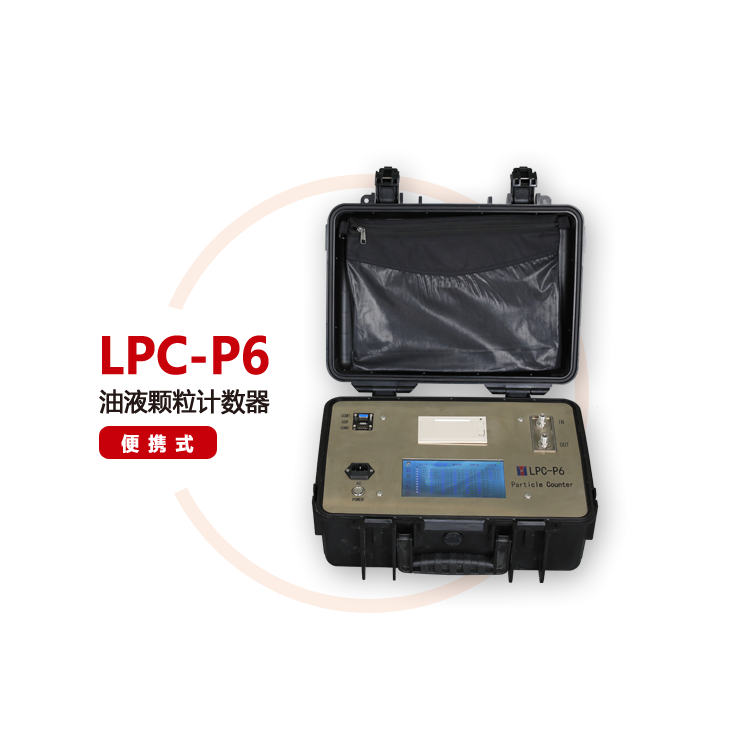
Water (the water in the working medium of fluid system oil mainly comes from humid air in the atmosphere and working environments such as water spraying) has two states in working oil, namely dissolved state and free state. When there is only a small amount of water in the system, it dissolves in the working oil. At a certain temperature and pressure, the amount of water dissolved is limited. When it reaches its limit of dissolution, it is called saturated state. At this point, if more water enters the system, it will no longer dissolve and become a free state. Therefore, the moisture content control index should be based on the water absorption saturation as the limit.
The hazards of water pollution include the following aspects:
(1) Corrosion: Water on the metal surface can cause corrosion in the presence of oxygen. Free water droplets can aggregate and grow on components, and their surface properties may decrease due to corrosion. In addition to surface corrosion, these special corrosion particles can also enter the fluid system. Experience has shown that when solid particles and water coexist in oil, the corrosive effect of water on components is much more severe than when water exists alone. This is because solid particles have worn away the oxide protective film on the surface of the component, exposing new surfaces and exacerbating the corrosive effect of water.
(2) Accelerating oil oxidation and deterioration: Water oxidizes and emulsifies oil, and also reacts chemically with additives to produce sediment and gum, creating conditions for rapid microbial growth, thereby accelerating oil oxidation and deterioration and causing malfunctions.
(3) Low temperature icing: Free water freezing at low temperatures can block small holes, gaps, and oil filters, leading to malfunctions
(4) Lubrication performance: Free water easily combines with the metal surface to replace the original lubricating oil film position, reducing lubrication and increasing friction on the active mating surface.
Air is more easily mixed into hydraulic systems than water, and it exists in two ways in oil: dissolved state and free state. Dissolved air usually does not affect the operation of the system, while free air can pose hazards, including:
(1) Generate cavitation, damage the surface of component materials, and cause system vibration and noise, increasing power consumption.
(2) Reducing the volume modulus and rigidity of hydraulic oil can lead to a deterioration (or dullness and instability) of the system response characteristics: One of the advantages of hydraulic systems is the ability to quickly transfer energy by utilizing the incompressibility of hydraulic oil. When air is mixed in, the stiffness of the oil decreases, resulting in a deterioration of the system response performance.
(3) Air blockage: When the hydraulic pump is working, the suction chamber is in the low-pressure zone, and the volume of small bubbles in a free state will rapidly expand and increase. The air in a dissolved state will also quickly separate here, filling the suction chamber and causing air blockage. At this time, the hydraulic pump cannot suction oil and is in a dry grinding state, and the temperature will quickly rise. If the temperature rises too high, it will damage the pump.
(4) Destruction of oil quality: accelerates the oxidation and deterioration of hydraulic oil, increases acid value, and reduces viscosity.
(5) Reduced lubricity: Free air can damage the oil film between the mating surfaces, causing dry friction between the mating surfaces.
Other pollutants include chemicals, microorganisms, etc. Chemical pollutants include solvents, surfactants, residual chemical impurities during oil extraction, and harmful chemicals produced by oil decomposition or additive effects, which can cause component corrosion and oil deterioration. Water is a necessary condition for the survival and reproduction of microorganisms. Once hydraulic oil contains water, microorganisms will grow and reproduce rapidly (the large-scale reproduction of microorganisms in hydraulic oil is manifested as a significant increase in viscosity of viscous substances or base fluids). Microbial activity may cause clogging of oil filters and shorten their lifespan; Deteriorate hydraulic oil; Generate corrosive substances, cause component corrosion, and other impacts.
It should be emphasized that the various harmful modes of pollution mentioned above are not single behaviors in the system, but multiple modes coexist, and several harmful modes complement each other and promote each other.
Prev : Analysis of the Working Principle of Liquid Particle CounterNext : The 8th China UK International Particle Technology Forum (PTF8) was grandly opened in Dali, an industry event
文章推荐
友情链接:
Tianjin Honghe Technology Co., Ltd
E-mail:sales01@tjhonghe.com
I would like to call the information hotline:
Tel 022-58956940
Add: 5F, Block C-D, Building 3, No.13 Ziyuan Road, Huayuan Industrial Park, Tianjin
Scan QR code Follow us:

Copyright ©2022 Tianjin Honghe Technology Co., LTD.All Rights Reserved ICP record No. 19008642 -1
\©2022 Tianjin Honghe Technology Co., LTD. All Rights reserved
ICP备案号津ICP备19008642号-1
 客服1
客服1

