 English
 中文
中文


A Brief Discussion on Gear Failure and Prevention of Wind Turbine Generator Speed Box
Click:
Time:2022-07-08 00:00:00

The wind turbine gearbox is a key component of the wind turbine, located between the impeller and the generator. It transmits the torque generated by the impeller under the action of wind to the generator, and at the same time, changes the lower input speed of the impeller to meet the speed required by the generator for power generation. Therefore, the wind turbine gearbox is a low-speed, heavy-duty, and speed increasing gear transmission device that operates under the impact load conditions of strong gusts and is subjected to random loads. Due to the long-term harsh conditions of the gearbox of wind turbines, problems such as adhesive wear, corrosion wear, surface fatigue wear, micro motion wear, and cavitation may occur as the operating time increases. Mild cases can lead to lubricating oil failure, while severe cases can cause shaft, bearing, and gear tooth fracture, resulting in the shutdown of the wind turbine. In situations such as variable speed and load, there may also be situations such as tooth breakage and tooth surface pitting.

NO.1
Types of damage to the speed increasing gearbox
The main faults of a general speed increasing gearbox are gears, bearings, shafts, housings, fasteners, oil seals, etc. Gear failures account for about 50%, and the main forms of damage include tooth breakage, pitting, bonding, wear, fatigue cracks, etc; Bearing failures account for about 20%, and the main forms of damage include burns, ball detachment, cage deformation, wear, etc; Shaft faults account for about 10%, and the main forms of damage include fracture, wear, etc; Box failures account for about 10%, with the main forms of damage including deformation, cracking, wear, etc. The rest are fasteners and oil seals, mainly fracture, wear, etc.
NO.2
Prevention of damage to wind power gearbox
1. Daily maintenance of gearbox on site
The daily maintenance of the gearbox mainly involves inspecting and handling the overall appearance, accessories, electrical wiring, lubricating oil status, operating conditions, etc. Regular maintenance requires assistance in carrying out maintenance through instruments, meters, and commissioned inspections. The focus should be on inspecting the appearance and interior of the gearbox, analyzing SCADA data faults, calibrating the shaft system, and sampling and testing lubricating oil. It is recommended to strengthen the inspection and measurement of the internal meshing components of the gearbox through auxiliary endoscopic examination and vibration analyzer measurement for any abnormal gearbox.
2. Install offline oil filtration device
The main pollutants in the lubricating oil of the wind turbine gearbox include particulate matter, water, and oxidation products. The cleanliness level of the wind turbine gearbox during operation is required to meet the ISO 17/15/12 standard (measured using a particle counter). If the pollution level exceeds the standard, it is necessary to replace the oil or use a higher precision oil filtration device to meet the requirements. Most fan equipment manufacturers use traditional online lubrication and filtration systems to control particle pollution in oil, but the filtration accuracy is generally between 10-50 μ m, and there is currently no effective removal of generated oxides. Moisture pollution is mainly prevented and controlled by air respirators with dehumidification functions. Unfiltered small particles entering the tooth surface and bearing clearance can cause wear and accelerated failure of gears and bearings. An offline precision filtration system with better accuracy and complete functions can be installed as a supplement, which can effectively remove small particles, remove generated oxides, and effectively control water pollution, ensuring that the cleanliness of lubricating oil is maintained at a normal level and delaying the life of oil products and equipment.
3. Install an online vibration monitoring system
The internal structure of the gearbox used in the fan is complex, and its maintenance cost and failure rate are relatively high. In such a situation, the online vibration monitoring system can effectively and targetedly monitor the status of the gearbox, monitor and timely identify the operating status of each gear and bearing in the gearbox, detect early signs of faults, and arrange maintenance in a timely manner.
4. Regular endoscopic examination of the gearbox
Due to the compact internal structure of the gearbox, all gears and bearing parts of the gearbox cannot be observed manually through the sight hole cover. It is recommended that wind turbines operating for less than 5 years ensure at least once a year and units operating for more than 5 years ensure twice a year inspection of the gearbox endoscope in the entire wind farm. Endoscopes have the characteristics of easy portability and high clarity. By using a probe to detect the bearings and gears inside the gearbox, the machine can be stopped and the peephole can be opened. The probe can be inserted into the box to inspect the components one by one, and the faulty parts can be detected in a timely manner.
Epilogue
By combining routine inspection and maintenance of the gearbox with the continuous use of new technologies, careful equipment maintenance can be carried out to prevent and judge the trend and deterioration of equipment failures. This can effectively reduce the incidence of gearbox failures and ensure the safe and reliable operation of the unit.
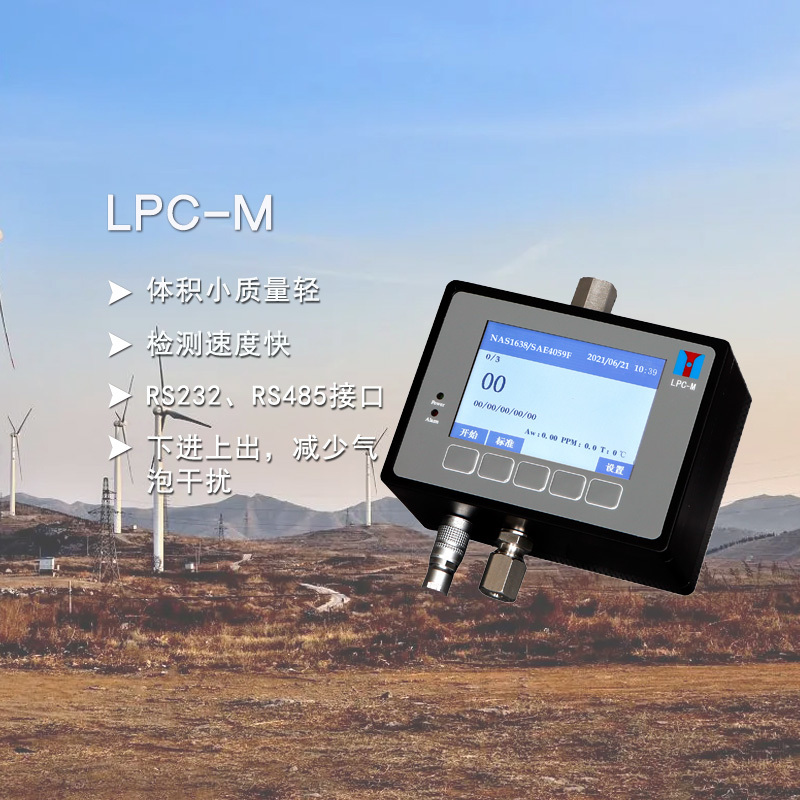
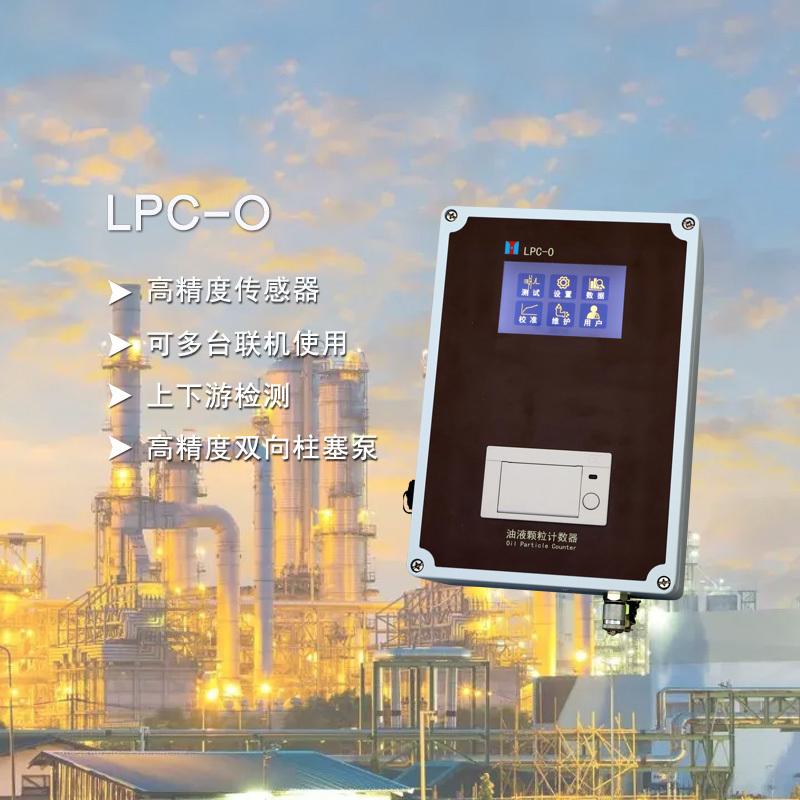
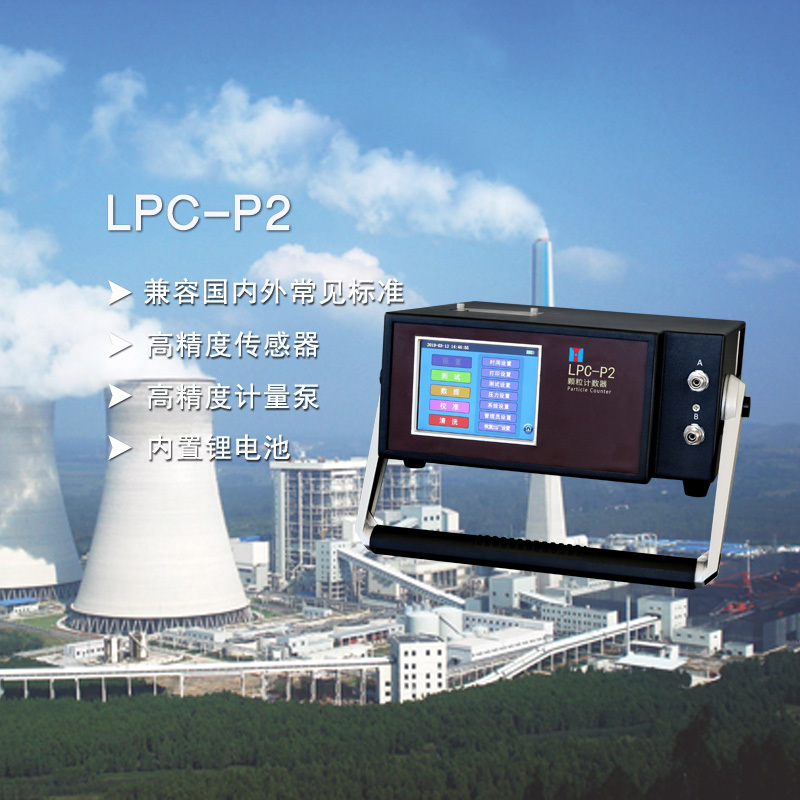
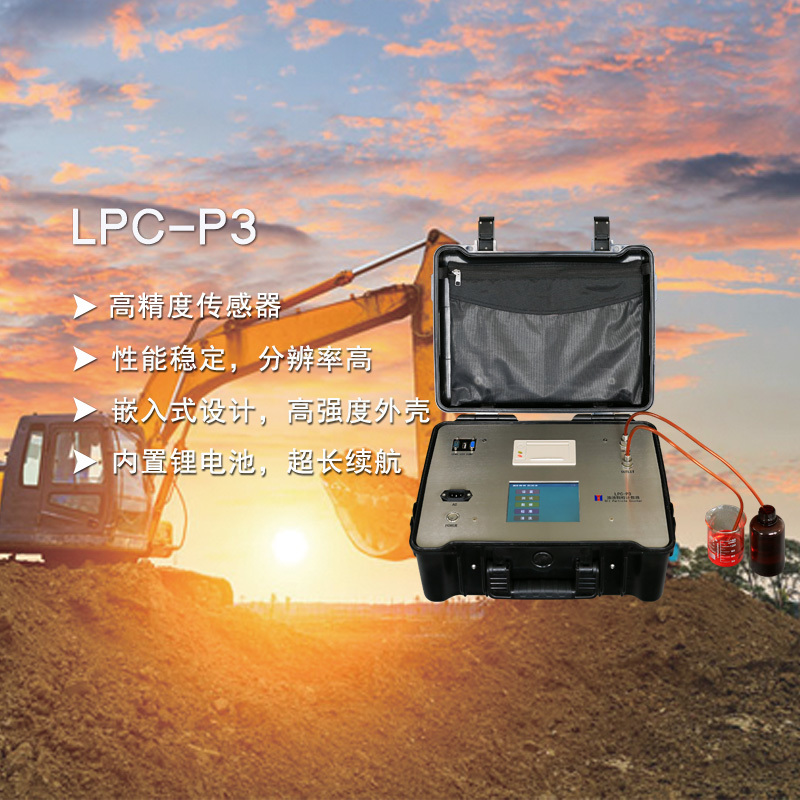
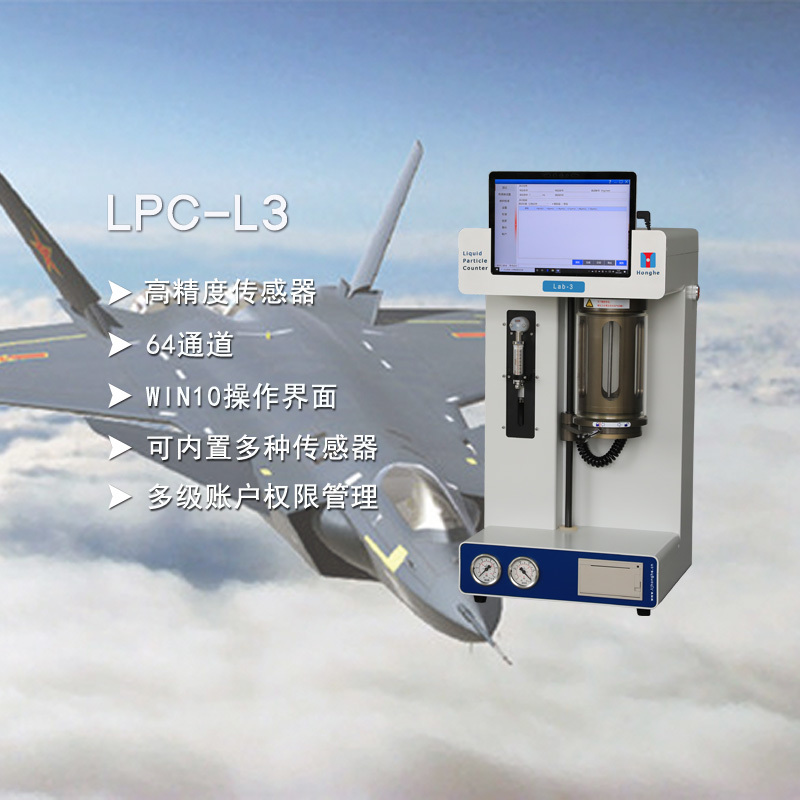
Honghe hot selling models
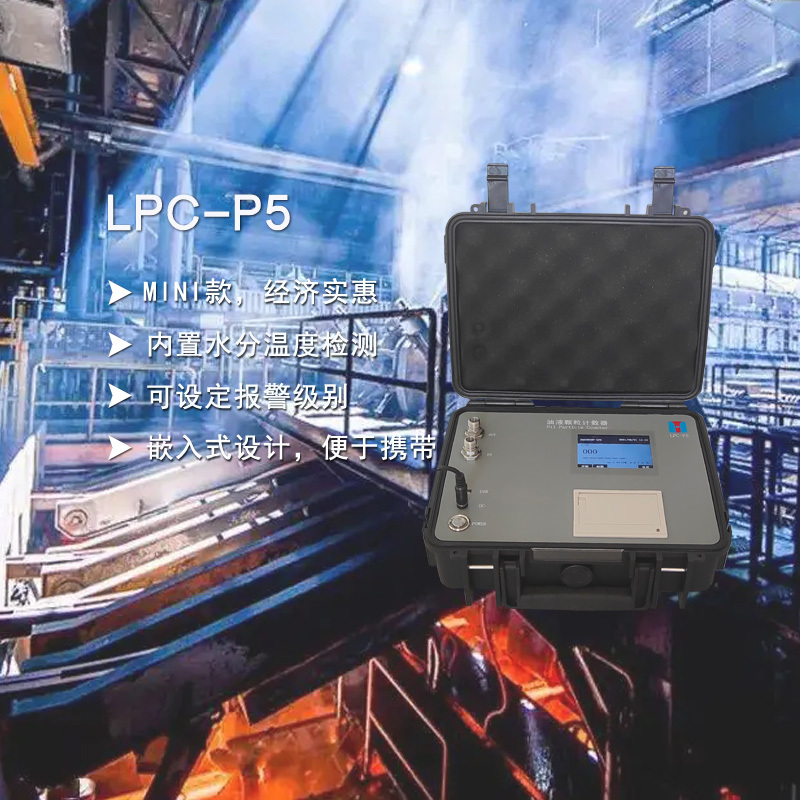
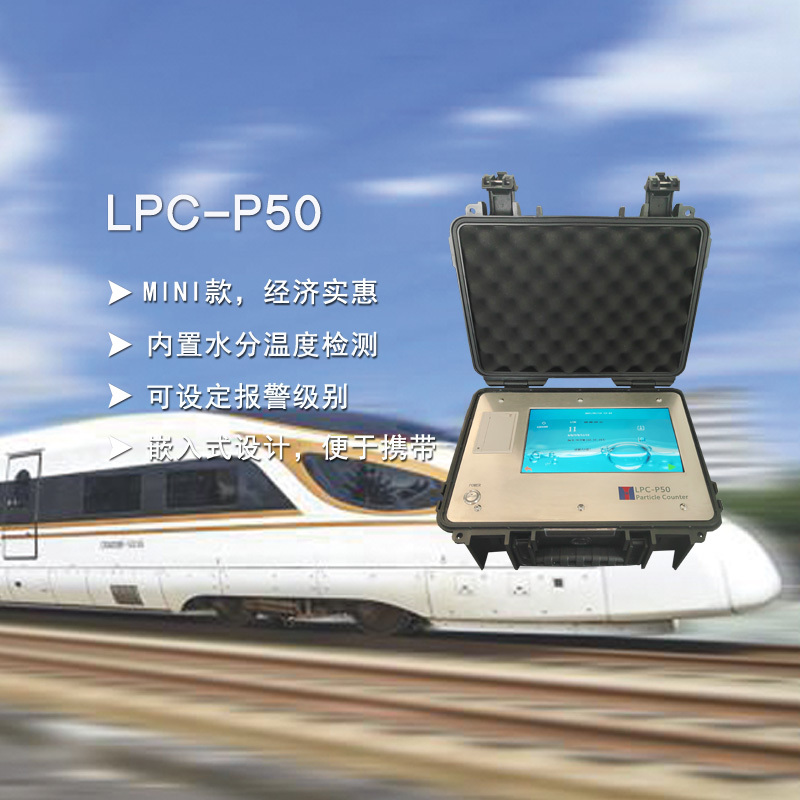
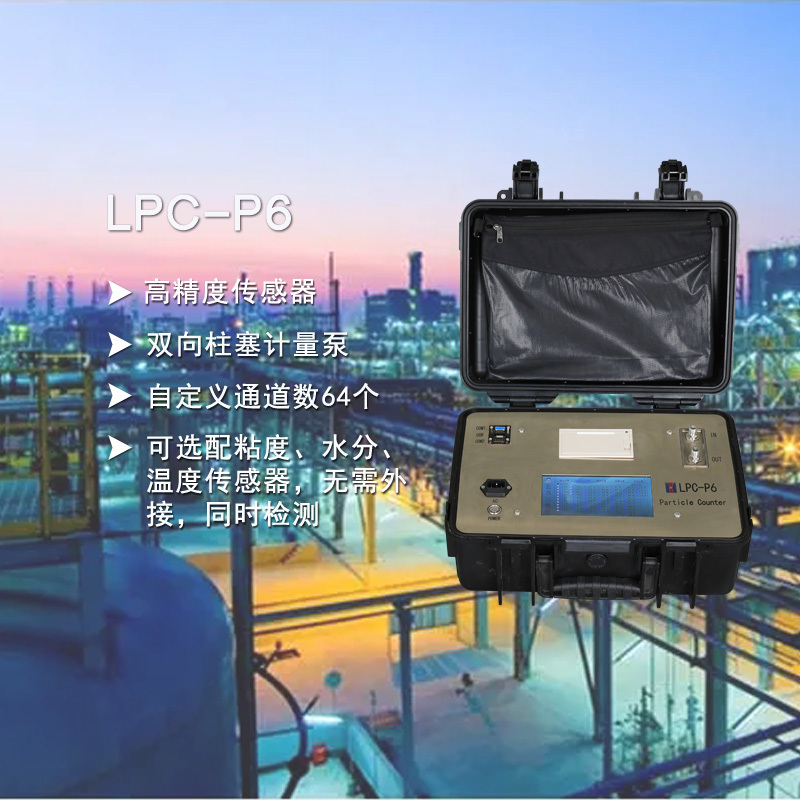
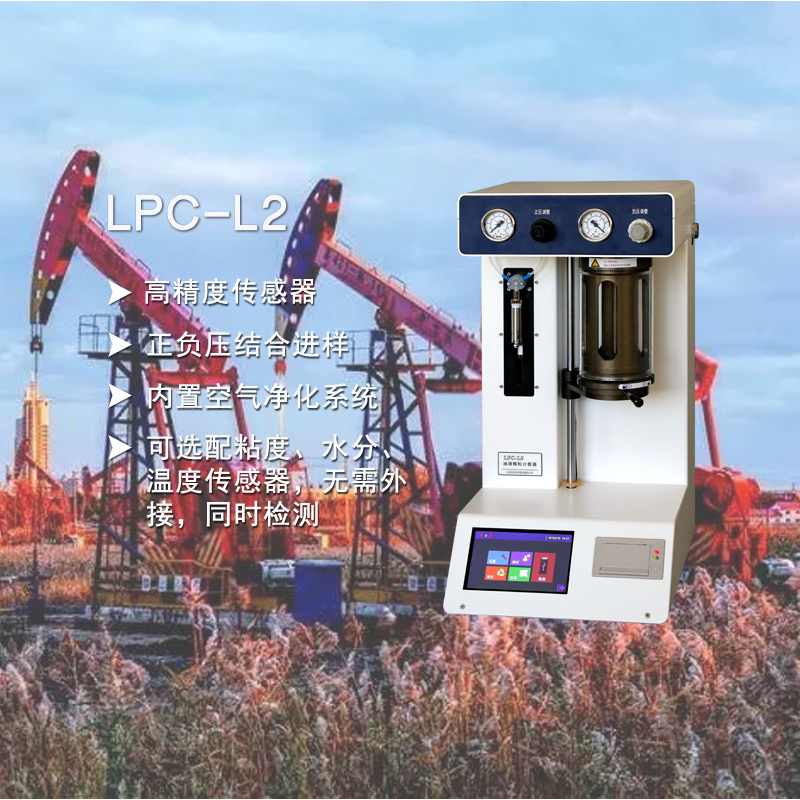
Prev : Inventory of typical attachments and common forms of malfunctionsNext : A Brief Discussion on Measurement Methods and Main Characteristics for Fluid Pollution
文章推荐
友情链接:
Tianjin Honghe Technology Co., Ltd
E-mail:sales01@tjhonghe.com
I would like to call the information hotline:
Tel 022-58956940
Add: 5F, Block C-D, Building 3, No.13 Ziyuan Road, Huayuan Industrial Park, Tianjin
Scan QR code Follow us:

Copyright ©2022 Tianjin Honghe Technology Co., LTD.All Rights Reserved ICP record No. 19008642 -1
\©2022 Tianjin Honghe Technology Co., LTD. All Rights reserved
ICP备案号津ICP备19008642号-1
 客服1
客服1

