 English
 中文
中文


Principles for selecting sampling points for oil monitoring
Click:
Time:2022-01-21 00:00:00
Oil monitoring is mainly used to evaluate the current status, degree of contamination, and lubrication and wear status of in use oil. Effective oil monitoring requires correct sampling procedures, therefore, obtaining representative oil samples is a prerequisite for accurate and reliable analysis results, and is the basis for accurate diagnosis by oil monitoring technicians.

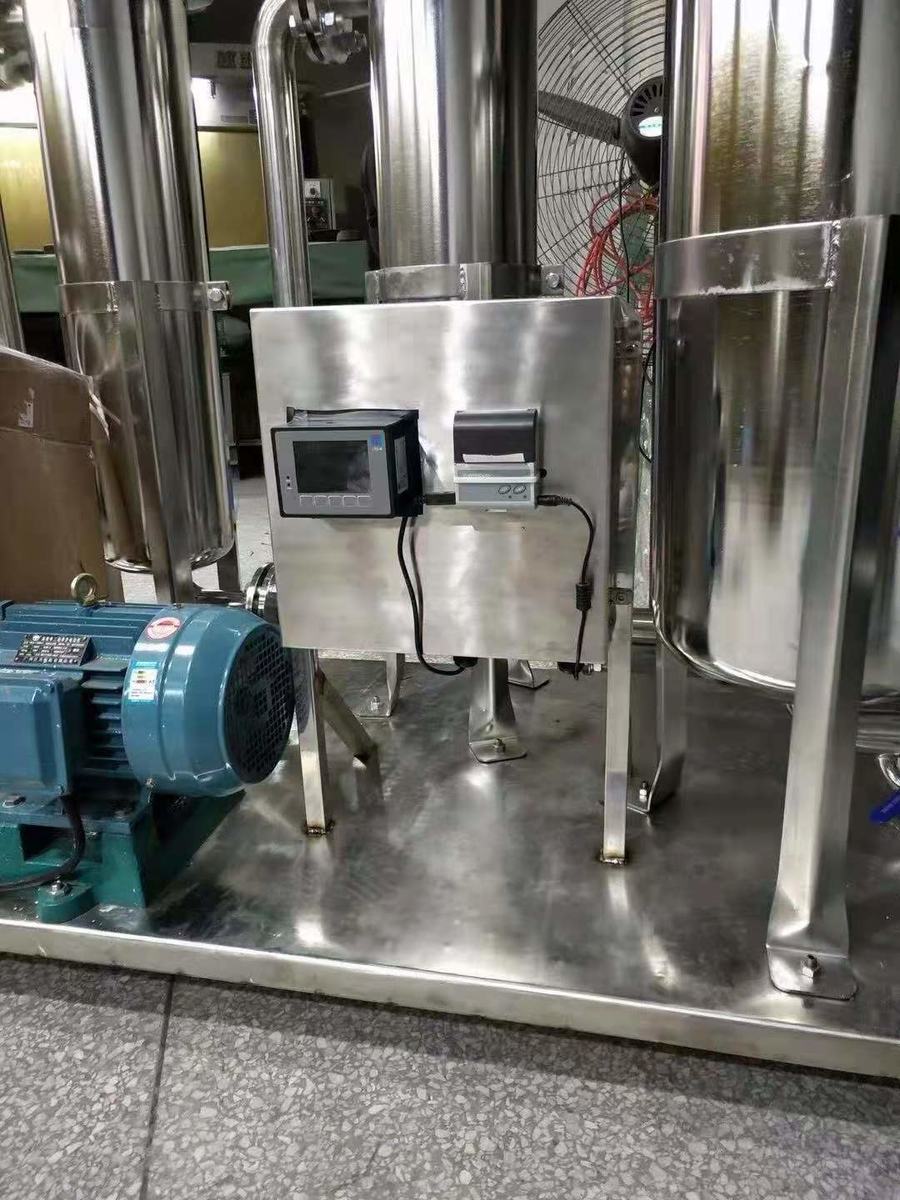
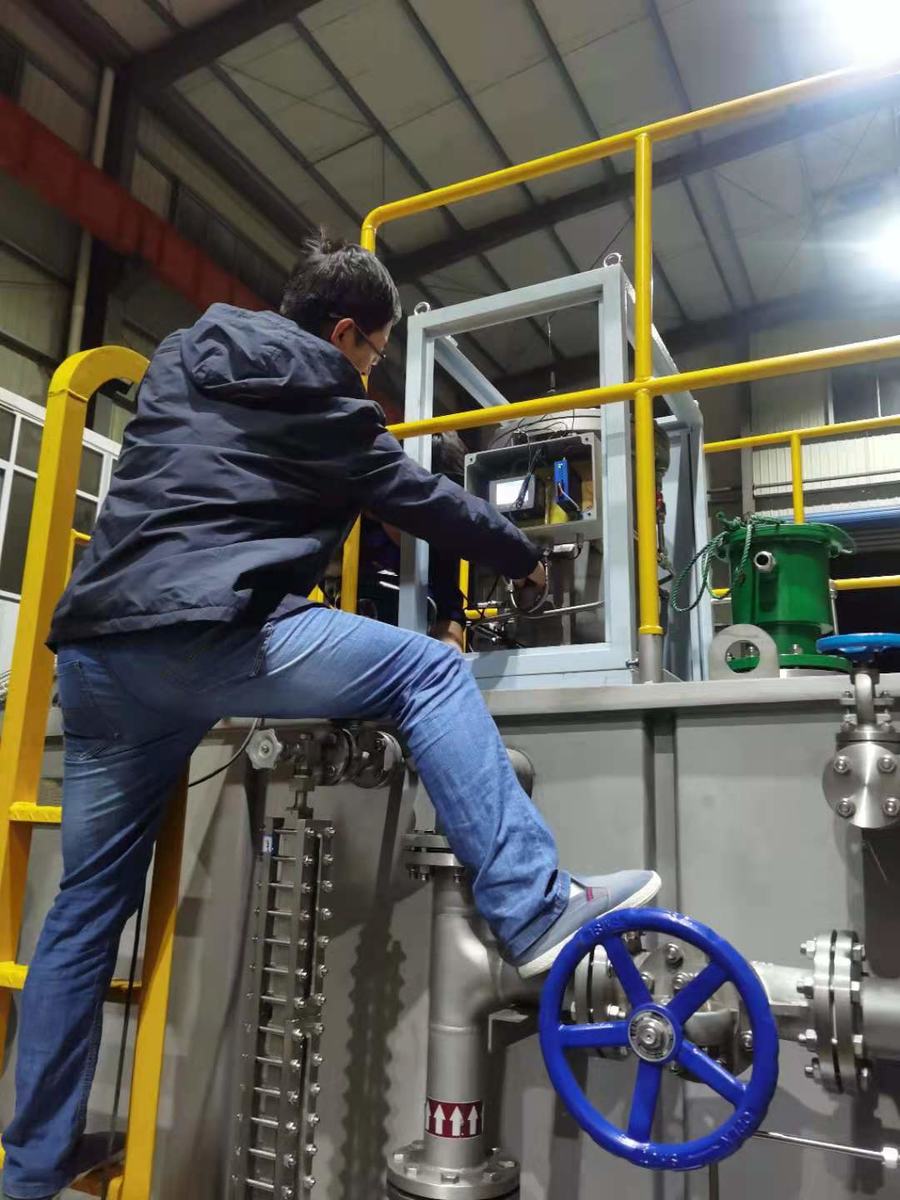
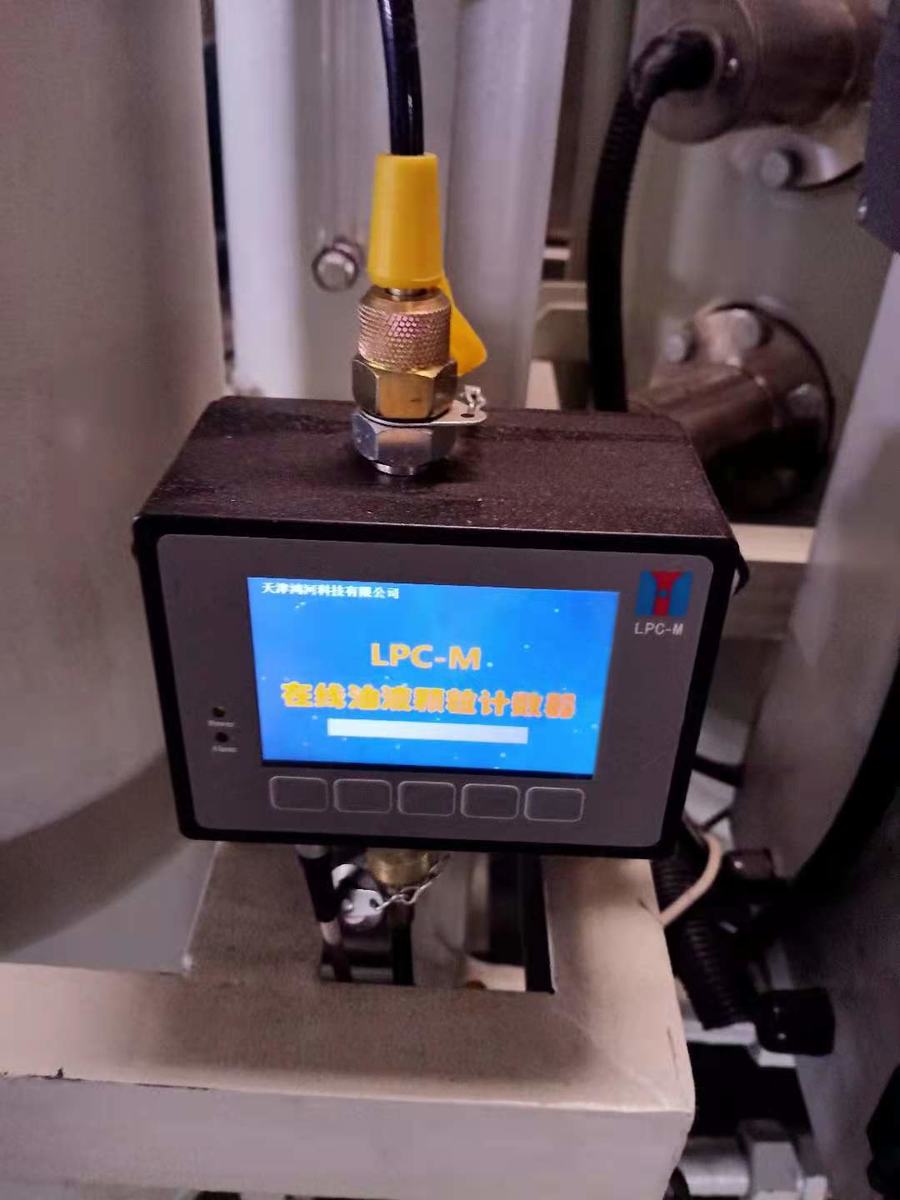
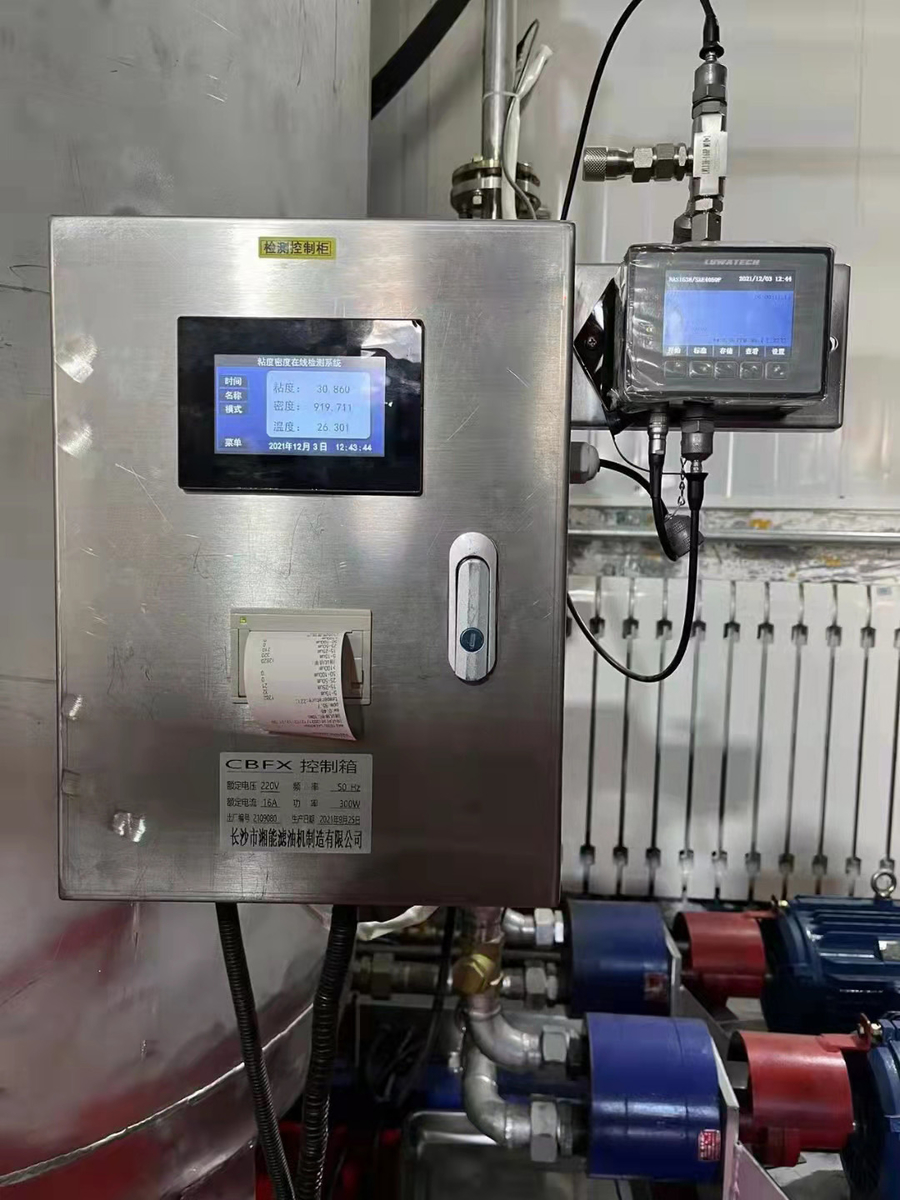
The oil sample used for oil monitoring and testing is only a small part of the equipment's oil in use, but it is required that the sample can reflect the overall objective situation of the equipment's oil in use. Therefore, the oil sample taken should meet the following conditions:
(1) Carry as much information as possible. These information include the cleanliness and dryness of the oil, the level of additives, and the presence of equipment wear and impurities particles in the oil;
(2) Minimize interfering factors as much as possible. These interference factors include: improper sampling location, incorrect filling of sample label content (oil sample information), contamination of sampling equipment and sample bottles, non-standard sampling operations, improper storage and transportation of samples, contamination of samples due to sampling under harsh working conditions, etc.
The correct sampling location is the most important part of successful oil testing. In any system, not all oil samples taken from different locations can represent the true friction, wear, lubrication, and contamination conditions of the system. According to the different testing purposes and lubrication methods, the sampling locations are also different, mainly as follows:
(1) For circulating lubrication systems with filtering devices (such as hydraulic systems, turbine units), the optimal sampling point is in the return oil pipeline; If you want to determine the wear and tear of the equipment, you should take a sample before the filter return pipe filter; If you want to evaluate the filtering effect of a filter, you need to take samples both before and after the filter;
(2) For equipment with oil bath lubrication (such as gearboxes), the optimal sampling location is in the middle of the oil tank. If the oil tank is equipped with a sampling valve, samples can be taken at the sampling valve. Sampling at the bottom of the fuel tank should be avoided as much as possible to prevent excessive sediment from affecting the estimation and evaluation of equipment operation status.
Prev : Liquid sample processing: a brief discussion on the determination of diluent and the calculation method of dilution factorNext : Selection requirements and cleaning methods for sampling containers
文章推荐
友情链接:
Tianjin Honghe Technology Co., Ltd
E-mail:sales01@tjhonghe.com
I would like to call the information hotline:
Tel 022-58956940
Add: 5F, Block C-D, Building 3, No.13 Ziyuan Road, Huayuan Industrial Park, Tianjin
Scan QR code Follow us:

Copyright ©2022 Tianjin Honghe Technology Co., LTD.All Rights Reserved ICP record No. 19008642 -1
\©2022 Tianjin Honghe Technology Co., LTD. All Rights reserved
ICP备案号津ICP备19008642号-1
 客服1
客服1

